

Brake Guide • Safety • Maintenance
What Are Brake Rotors and How Do They Work?
Brake rotors (brake discs) are the spinning metal discs behind your wheels. When you press the brake pedal, brake pads clamp the rotors to convert motion into heat—slowing the vehicle safely and predictably.
1) What Is a Brake Rotor?
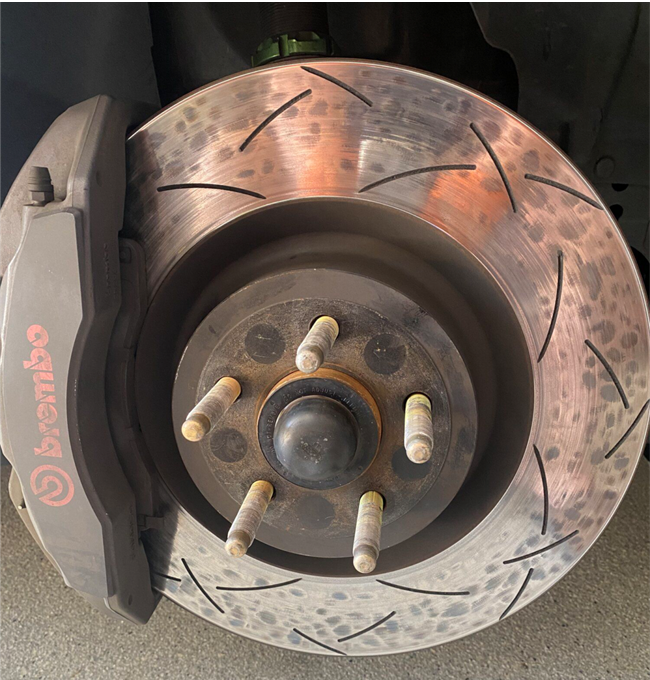
A brake rotor is a precision-machined metal disc bolted to your wheel hub. It spins with the wheel. During braking, the caliper squeezes brake pads against both rotor faces, producing friction that slows rotation.
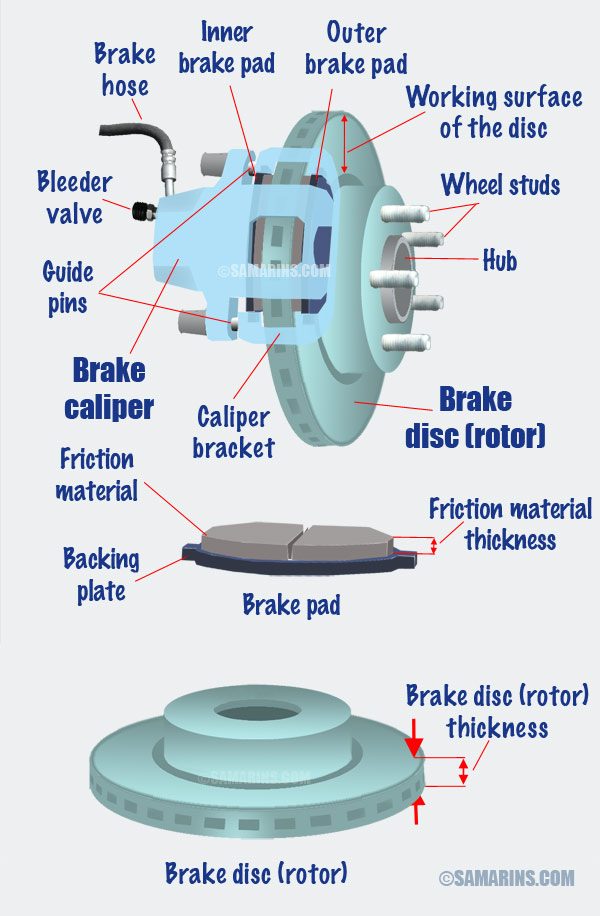
Pro tip: Your rotor is the “heat sink” of braking—design choices mainly affect cooling and stability.
2) How Brake Rotors Work (Step-by-Step)
- Pedal input generates hydraulic pressure.
- Caliper pistons extend and press the pads against rotor faces.
- Friction slows the rotor, turning vehicle motion into heat.
- Heat dissipates through rotor mass + airflow (critical for fade resistance).
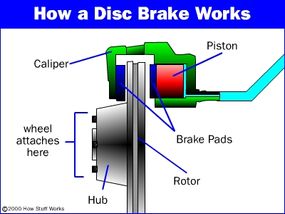
The faster you stop and the heavier the vehicle, the more heat your rotors must manage.
3) Rotor Construction: Solid vs Vented
Rotors are commonly either solid or vented. Vented rotors have internal vanes that pump air through the rotor, improving cooling—especially on front axles where braking load is higher.
- Simple, cost-effective
- Less airflow, more heat buildup
- Often used on rear of lighter vehicles
- Internal vanes for airflow
- Better fade resistance and stability
- Common on front axles & heavier vehicles
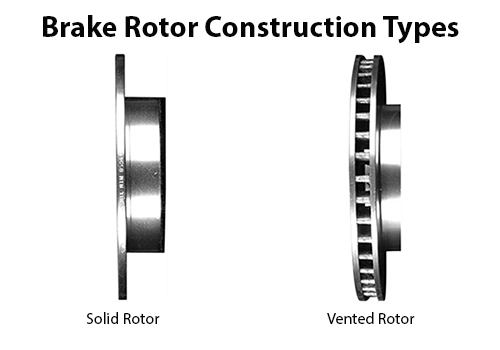
This is why vented rotors generally handle repeated hard braking better.
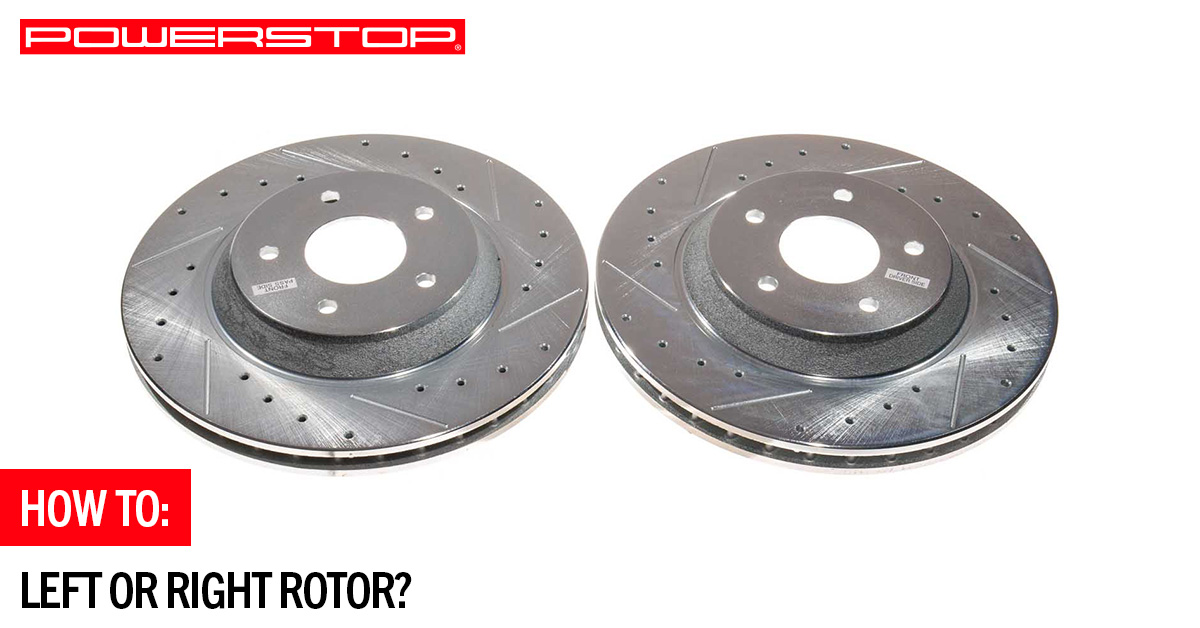
4) Rotor Types: Smooth vs Drilled vs Slotted
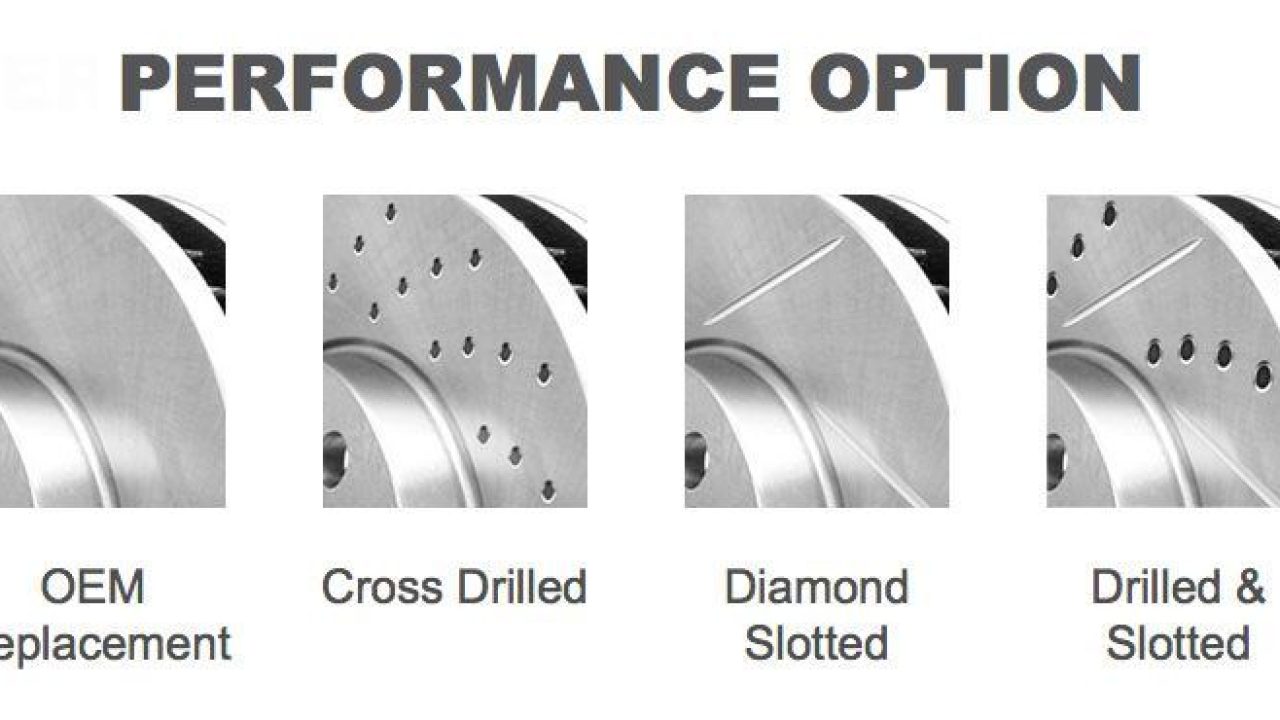
After choosing solid/vented, rotor surface style matters. Here’s a clean comparison focused on real-world tradeoffs.
| Type | Best For | Pros | Tradeoffs |
|---|---|---|---|
| Smooth (Blank) | Daily driving | Quiet, durable, consistent | Less “bite” under extreme heat |
| Drilled | Style + light performance | Water/gas escape paths, cooling feel | Can increase cracking risk under heavy cycles |
| Slotted | Towing / hills / repeated braking | Better pad bite + debris clearing | May add noise + slightly faster pad wear |
| Drilled + Slotted | Aggressive driving / heavy use | Balanced bite + cleaning effect | Noise, pad wear, and quality matters a lot |
5) Common Rotor Problems (Symptoms + Causes)
Often linked to uneven rotor thickness, pad deposits, or runout—felt in steering wheel or pedal.
Can indicate worn pads, metal-to-metal contact, or rotor surface damage.
Heat overload reduces friction; better cooling (vented) helps resist fade.
Overheating can create hard spots and uneven friction performance.

6) Rotor vs Drum Brakes (Quick Comparison)
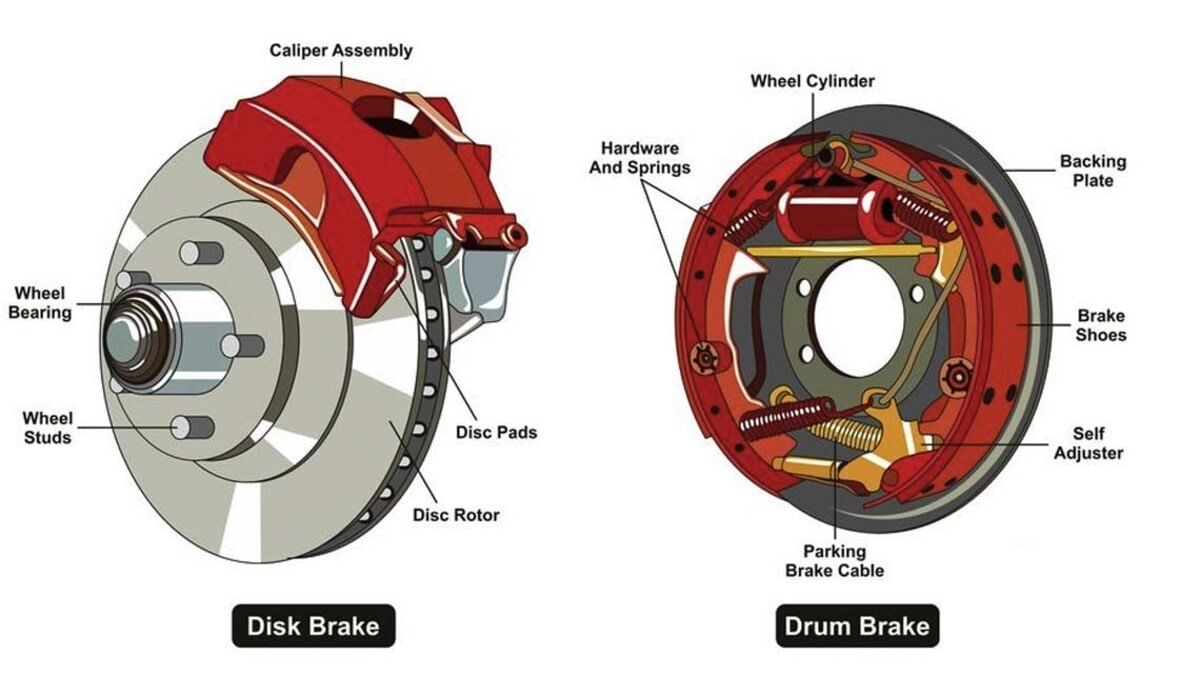
| Feature | Disc Brakes (Rotors) | Drum Brakes |
|---|---|---|
| Cooling | Better airflow, less fade | Traps heat, more fade risk |
| Consistency | More predictable | Can vary with heat/moisture |
| Typical Use | Most modern vehicles (especially front) | Some rear axles on economy cars |
7) How to Choose the Right Brake Rotors
- Daily driver: smooth/blank + quality pads = quiet and long-lasting.
- Towing / mountain driving: vented + slotted often offers better bite and heat management.
- Wet climate: slots help clear water and debris; drilled can help but depends on quality.
- Match pads & use-case: wrong pad compound can cause noise, deposits, and uneven braking.
Need help choosing rotors for your vehicle?
Send us your Year / Make / Model + drivetrain (2WD/4WD/AWD) and wheel lug count— we’ll recommend the best rotor option for your setup.
FAQ
Q: Do I need to replace rotors when replacing pads?
A: Not always. But if rotors are below minimum thickness, deeply grooved, heat-spotted, or causing vibration, replacement is recommended.
Q: What causes “warped rotors” feeling?
A: Often it’s uneven rotor thickness or pad material deposits rather than true warping—both can cause pedal pulsation.
Q: Are drilled rotors always better?
A: Not necessarily. For heavy towing or frequent hard stops, high-quality slotted/vented setups often perform more reliably.